Best Climbing Spots in Canada
Canada is a climbing country defined by scale and wildness. From the granite walls of Squamish on the Pacific coast to the limestone and quartzite of the Canadian Rockies and the boulders of southern Ontario and Quebec, it offers some of the most varied climbing on the continent. The two natural gateways are Vancouver in the west, the doorway to British Columbia's coastal granite, and Calgary in the east of the Rockies, an hour's drive from the mountains. Distances between regions are continental, so most trips settle into one area and explore it deeply. The areas below are the essentials; find them on the map.
Squamish, British Columbia
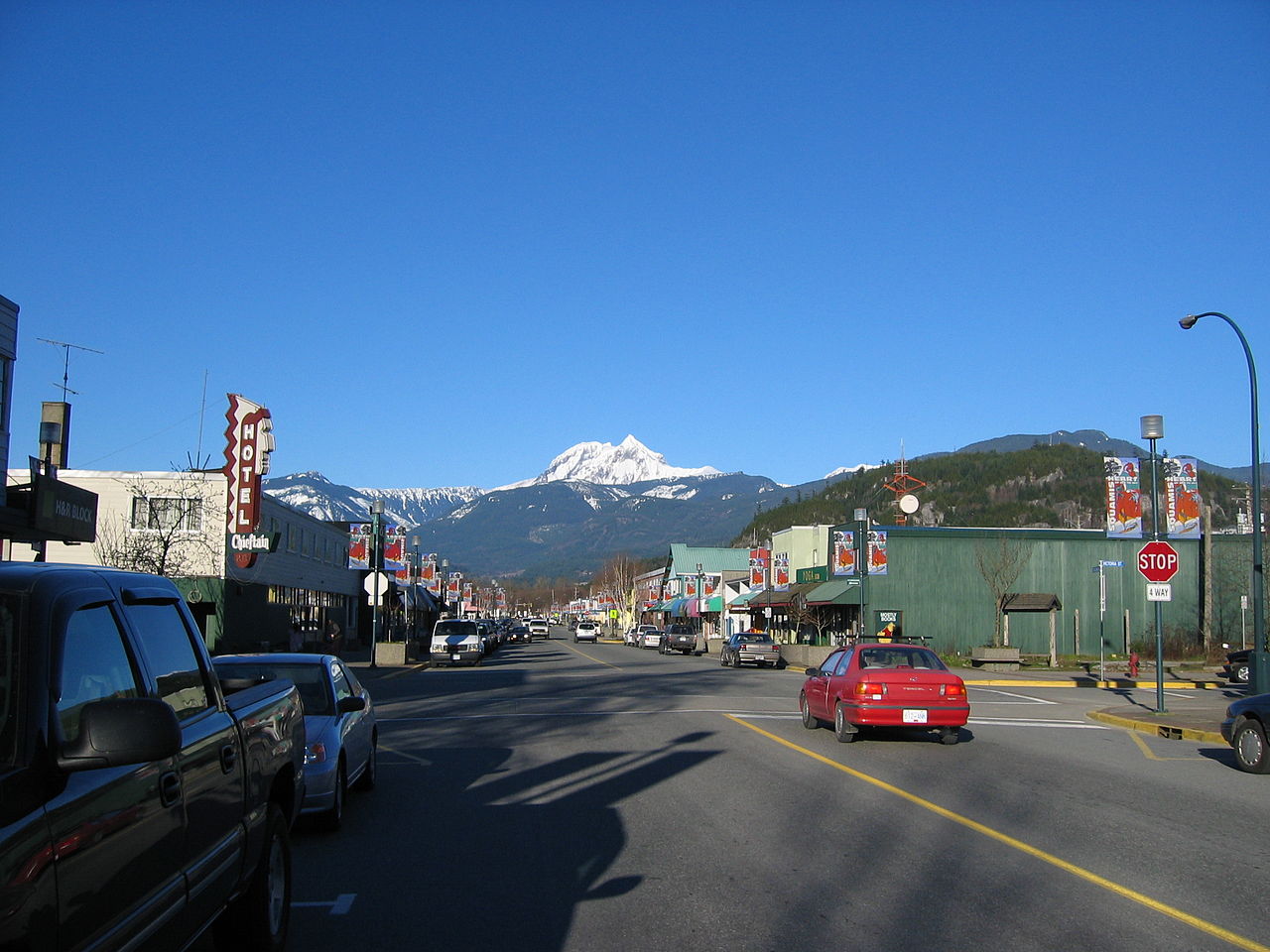
Squamish, on the Sea-to-Sky Highway about an hour north of Vancouver and roughly halfway to Whistler, is Canada's most famous climbing destination. The centrepiece is the Stawamus Chief, a granite dome rising some 700 metres straight out of the forest above the town — one of the largest granite monoliths in North America. Its walls hold long multi-pitch crack and slab routes, and the Grand Wall in particular is a rite of passage for trad climbers. Around the base of the Chief, the Smoke Bluffs offer dense, accessible single-pitch sport and crack climbing on clean granite, ideal for warming up or for a full day close to the car.
Squamish is equally celebrated for its world-class bouldering. The forest floor is scattered with thousands of granite boulders, and areas like the Grand Wall boulders draw boulderers from around the world for the quality of the rock and the variety of problems. The combination of big-wall trad, roadside sport, and superb bouldering in one temperate, coastal setting makes Squamish a complete destination. Summer, broadly June through September, is the season: the granite needs dry weather to be at its best, and the coastal climate brings plenty of rain outside that window. Bring layers even in summer, as mornings in the forest stay cool. The town has a lively outdoor community, good gear shops, plentiful camping and hostel accommodation, and a warm café culture that suits the rhythm of climbing days.
The Bugaboos
Deeper into British Columbia, in the Purcell Mountains, the Bugaboos are Canada's premier alpine granite destination. A cluster of sharp spires rises out of the glaciers here, and names like Snowpatch Spire and Bugaboo Spire are famous among alpinists worldwide for their long, clean granite routes. This is committing climbing in a true mountain setting: approaches cross glaciers, weather changes fast, and self-reliance is essential. The classic season is the short alpine summer, roughly July and August, when snow has cleared from the routes and conditions are most stable. The Bugaboos reward experienced parties comfortable on glaciated terrain and capable of moving efficiently on long days; they are the high-alpine counterpart to Squamish's roadside granite.
Skaha Bluffs, Penticton
In British Columbia's Okanagan valley, Skaha Bluffs near Penticton offer excellent gneiss sport climbing in a warm, dry, near-desert climate. With a long season and a huge spread of bolted routes across the grades, Skaha is a popular destination — especially in spring and autumn, when Squamish on the coast may still be wet or cold. The dry interior climate means the rock comes into condition early and stays good late, effectively bookending the coastal granite season. Penticton sits in wine and orchard country, so a climbing trip here pairs naturally with the easy comforts of the valley. The combination of reliable weather and abundant single-pitch sport makes Skaha one of the most relaxed and rewarding crags in the country. Climbers typically camp at or near the bluffs, and the town offers all necessary services.
The Canadian Rockies
Straddling the Alberta–British Columbia border, the Canadian Rockies are a vast playground of limestone and quartzite under spectacular peaks. The Bow Valley around Canmore and Banff offers extensive sport and trad climbing on bolted limestone crags, and the area around Lake Louise adds further classic routes in a stunning setting. For traditional mountain climbers, Mount Yamnuska (Yamnuska, or Mount John Laurie) near Canmore is the region's most storied trad cliff, with long limestone routes that have trained generations of Canadian alpinists. Calgary, with its international airport, is the natural base — Canmore is about an hour's drive west, and Lake Louise a little under two hours. The peaks themselves hold serious alpine objectives for those equipped for them. National park entry fees apply for crags within Banff and Jasper, so factor that into planning.
Ice Climbing in the Rockies
The Canadian Rockies are one of the planet's premier ice-climbing destinations. In winter, countless frozen waterfalls form across the valleys around Canmore and Field and along the Icefields Parkway, the high mountain road linking Lake Louise to Jasper. Routes range from accessible roadside classics to long, serious mixed lines high on the peaks. The reliable winter cold and the sheer density of ice make Canmore a global hub for waterfall ice, with a busy guiding scene for those new to the discipline. The ice season runs broadly from December into March. Together with the summer rock, this gives the Rockies a true year-round climbing identity — rock when the snow melts, ice when it freezes. The Canmore area hosts international ice festivals that draw athletes and enthusiasts from across the world each winter.
Eastern Canada
Climbing is not confined to the west. Ontario's Niagara Glen, set in the gorge below Niagara Falls, is a beloved bouldering area where climbers move between dolostone blocks scattered through the forest along the river — a compact, atmospheric spot close to Toronto and the US border. In Quebec, the village of Val-David in the Laurentians, north of Montreal, is the historic heart of the province's climbing, with granite cliffs that have hosted sport, trad, and bouldering for generations. The area is easily reached from Montreal and has a charming village atmosphere with accommodation and restaurants. Newfoundland and the Maritimes add adventurous sea-cliff climbing for those who travel further east. While the western destinations draw the headlines, eastern Canada supports a strong, long-established climbing community on its own quality rock.
Season, Travel, and Ethic
Canadian climbing is governed by a continental climate and immense distances. The western rock — Squamish, the Bugaboos, Skaha — is largely a summer pursuit, while the Rockies offer rock in summer and ice in winter. Fly into Vancouver for the coast and the interior of British Columbia, or into Calgary for the Rockies; the two are roughly a long day's drive apart through the mountains, so few trips combine them. Throughout, respect for the wilderness, attention to fast-changing mountain weather, and the bold, self-reliant local ethic are central to climbing here. Bears, river crossings, and remote approaches are real considerations in many areas, and a measure of mountain sense goes a long way. Leave No Trace principles are widely observed, and many areas require fire permits or have seasonal closures to protect nesting raptors.
See Them All in One View
Canada rewards the climber who embraces adventure and scale, whether on Squamish granite, Bugaboos spires, or Rockies limestone. Use the interactive map to connect the coastal, interior, and mountain destinations and to appreciate the vast geography of Canadian climbing.